

Nov 11, 2022 (Nanowerk News) In the near future, ultrasound will enable industrial 3D printers to manufacture more robust, durable and cheaper components for aerospace, toolmaking and other industries than ever before. Researchers from Dresden, Hamburg and Melbourne, Australia, have joined forces in a research alliance to bring this new...
Nanocrystals store light energy and drive chemical reactions
Nov 11, 2022 (Nanowerk News) Chemistry is increasingly making use of the trick plants can do with photosynthesis: driving chemical reactions that run poorly or do not occur spontaneously at all with light energy. This requires suitable photocatalysts that capture light energy and make it available for the reaction. In...
Researchers cook up a new way to remove microplastics from water
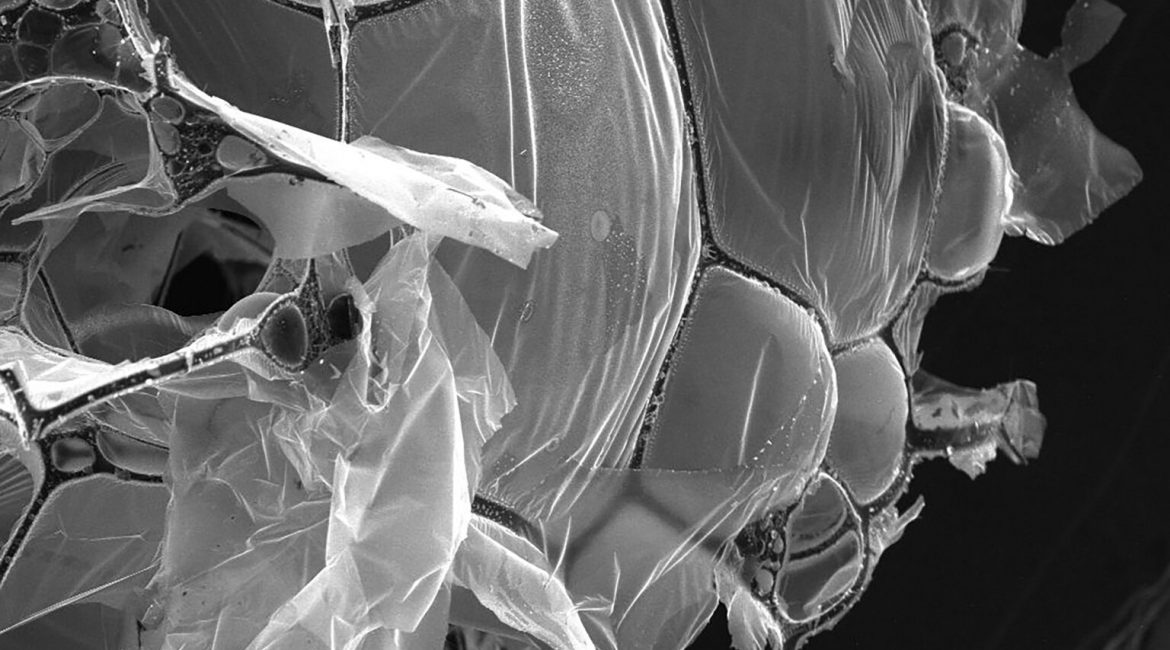
Nov 11, 2022 (Nanowerk News) Researchers at Princeton Engineering have found a way to turn your breakfast food into a new material that can cheaply remove salt and microplastics from seawater. The researchers used egg whites to create an aerogel, a lightweight and porous material that can be used in...
Researchers learn to engineer growth of crystalline materials consisting of nanometer-size gold clusters

Nov 11, 2022 (Nanowerk News) First insights into engineering crystal growth by atomically precise metal nanoclusters have been achieved in a study performed by researchers in Singapore, Saudi Arabia and Finland. The work was published in Nature Chemistry ("Supercrystal engineering of atomically precise gold nanoparticles promoted by surface dynamics"). Ordinary...
Nanotechnology platform enables immune conversion of cancer cells, sensitizing them to immunotherapy
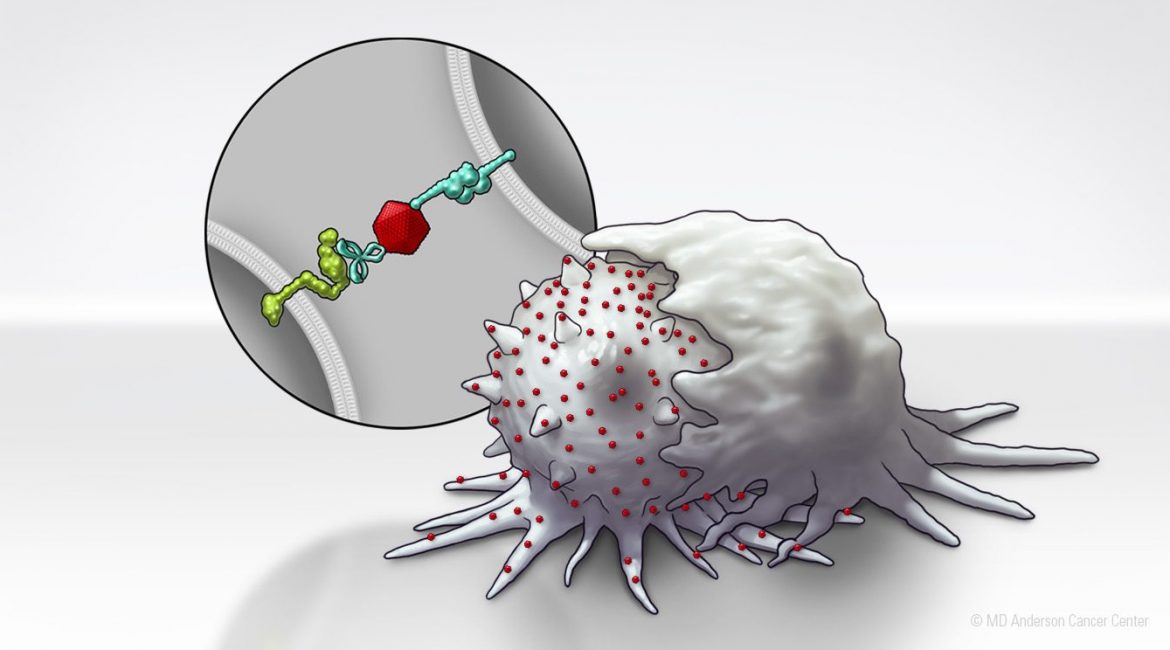
Nov 10, 2022 (Nanowerk News) A team of researchers at The University of Texas MD Anderson Cancer Center has developed a nanotechnology platform that can change the way the immune system sees solid tumor cells, making them more receptive to immunotherapy. The preclinical findings suggest this adaptable immune conversion approach...
First use of CRISPR to substitute genes to treat patients with cancer
Nov 10, 2022 (Nanowerk News) For the first time, scientists have used CRISPR technology to insert genes that allow immune cells to focus their attack on cancer cells, potentially leaving normal cells unharmed and increasing the effectiveness of immunotherapy. The new approach is being presented today at the Society for...