
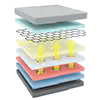
Mar 20, 2026 Researchers developed a dual-modulated vertically stacked transistor that eliminates current leakage at nanoscale channel lengths, advancing low-power 3D chip integration. (Nanowerk News) Researchers have developed a vertically stacked transistor with a dual-modulation architecture that eliminates current leakage at nanoscale channel lengths. The team, led by Professor Jae...
Liquid biopsy that can distinguish between similar enzymes
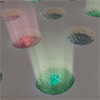
Mar 20, 2026 A liquid-biopsy method can quickly and easily distinguish between enzymes that have very similar structures. (Nanowerk News) RIKEN researchers have demonstrated a method that can detect tiny amounts of biomarkers in liquid samples and can distinguish between highly similar biomarkers (Proceedings of the National Academy of Sciences,...
AI model uses 3D lipid structures to improve mRNA nanoparticle delivery
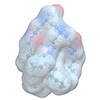
Mar 20, 2026 An AI model that screens ionizable lipids by 3D conformation identified a candidate 14.8 times more efficient than current clinical lipids, enabling spleen-targeted mRNA vaccines. (Nanowerk News) A team at the National Center for Nanoscience and Technology (NCNST), part of the Chinese Academy of Sciences, has built...
Magnetic skyrmions can form through magnetoelastic coupling alone, new theory shows
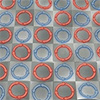
Mar 20, 2026 Physicists show that magnetoelastic coupling, present in nearly all magnets, can generate skyrmion arrays without crystal asymmetry or spin-orbit coupling. (Nanowerk News) Physicists have proposed a theoretical framework demonstrating that magnetic skyrmions, nanoscale vortex-like spin structures valued for future data storage, can spontaneously emerge through magnetoelastic coupling...
A leap toward general-purpose robots (w/video)

Mar 20, 2026 New AI system lets robots work faster than their human teachers without sacrificing accuracy. (Nanowerk News) Robots are increasingly learning new skills by watching people. From folding laundry to handling food, many real-world, humanlike tasks are too nuanced to be efficiently programmed step by step. With imitation...
Fertilizer made from cyanobacteria enables plant cultivation on Mars (w/video)
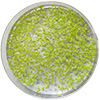
Mar 20, 2026 Researchers have successfully used a fertilizer, which can be produced solely with Martian resources, to grow edible biomass. (Nanowerk News) The fertilizer is based on cyanobacteria, also known as blue-green algae. They have several properties that make them particularly suitable for the use on the Red Planet:...
4D-printed magneto-plasmonic microrobots de-ice exactly where and when needed
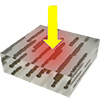
Mar 20, 2026 4D-printed microrobots with embedded gold-magnetite nanofillers use magnetic fields for navigation and near-infrared light for plasmonic heating to de-ice surfaces with programmable spatial and temporal precision. (Nanowerk Spotlight) Aircraft that accumulate ice on their wings before departure must be sprayed with heated glycol to restore safe airflow,...
Engineered bioprocess converts CO2 into amino acids at 97 percent efficiency
Mar 20, 2026 A new bioprocess achieves 97% CO2-to-amino-acid conversion while cutting costs by over 40%, bringing carbon-negative chemical manufacturing closer to industrial scale. (Nanowerk News) The building blocks of proteins, amino acids are essential for all living things. Twenty different amino acids build the thousands of proteins that carry...
Hydrogel stiffens 27,000-fold in seconds when heated then softens back when cooled
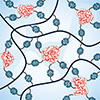
Mar 19, 2026 A new hydrogel stiffens 27,000-fold upon heating by transforming weak internal bonds into strong permanent ones, then gradually softens at room temperature. (Nanowerk Spotlight) Most synthetic polymers cannot change their mechanical properties after manufacturing. A rubber band stays stretchy; a hard plastic stays rigid. Biological tissues, by...
AI predicts how nanodiamonds become new carbon nanostructures under extreme conditions

Mar 19, 2026 Researchers use supercomputers and artificial intelligence to predict how carbon transforms under extreme heat and pressure, paving the way for revolutionary materials. (Nanowerk News) Carbon is everywhere. It forms the graphite in pencils, the diamonds in jewelry and the molecules that make up every living thing. But...